
Routes
Where to go, how to get there, and what you’ll find along the way.
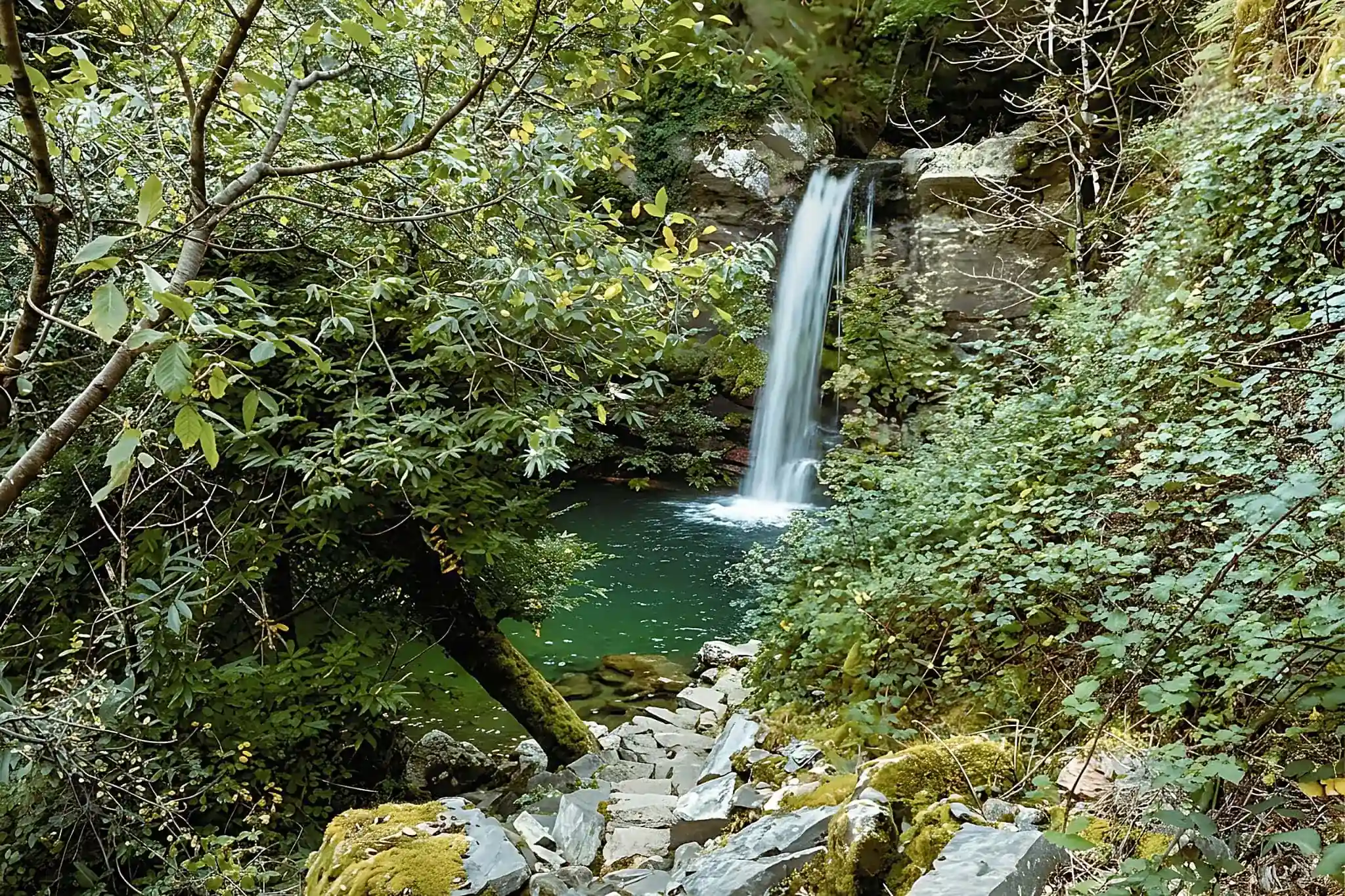
Camiño Vello de Aldosende: The Old Road Is the New One
An 11 km linear hike on the PR-G 249: the 1960s path down the Bacelo gorge, then along the Miño past San Facundo to a view over Portomarín.

-
4 MIN
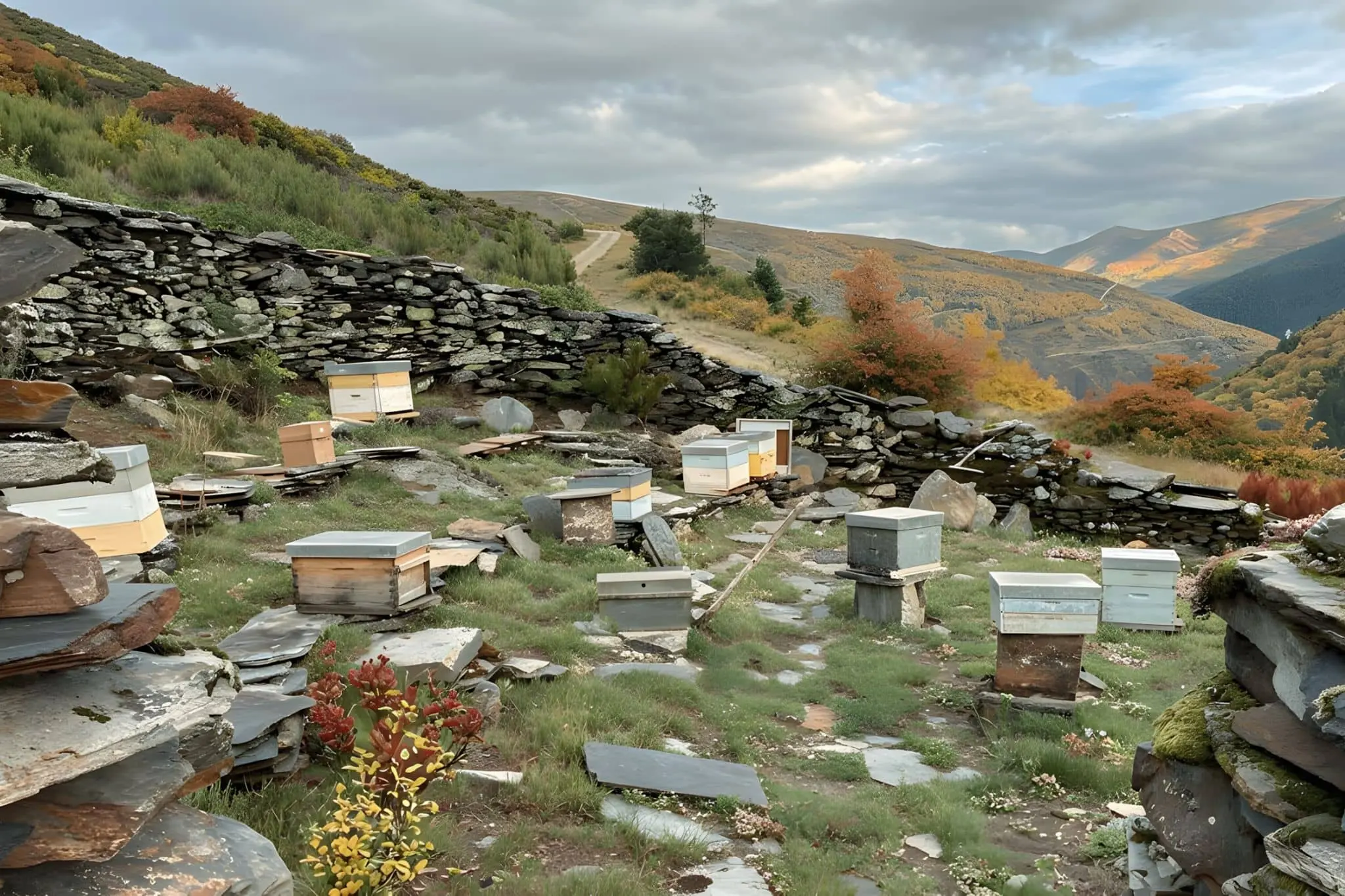
The Fervenzas of Quiroga: Cold Water, Warm East
A 31 km mountain drive to five fervenzas above Quiroga, in the Courel geopark: cold pools to swim, a 34-meter drop, and when to skip dry ones.
-
4 MIN
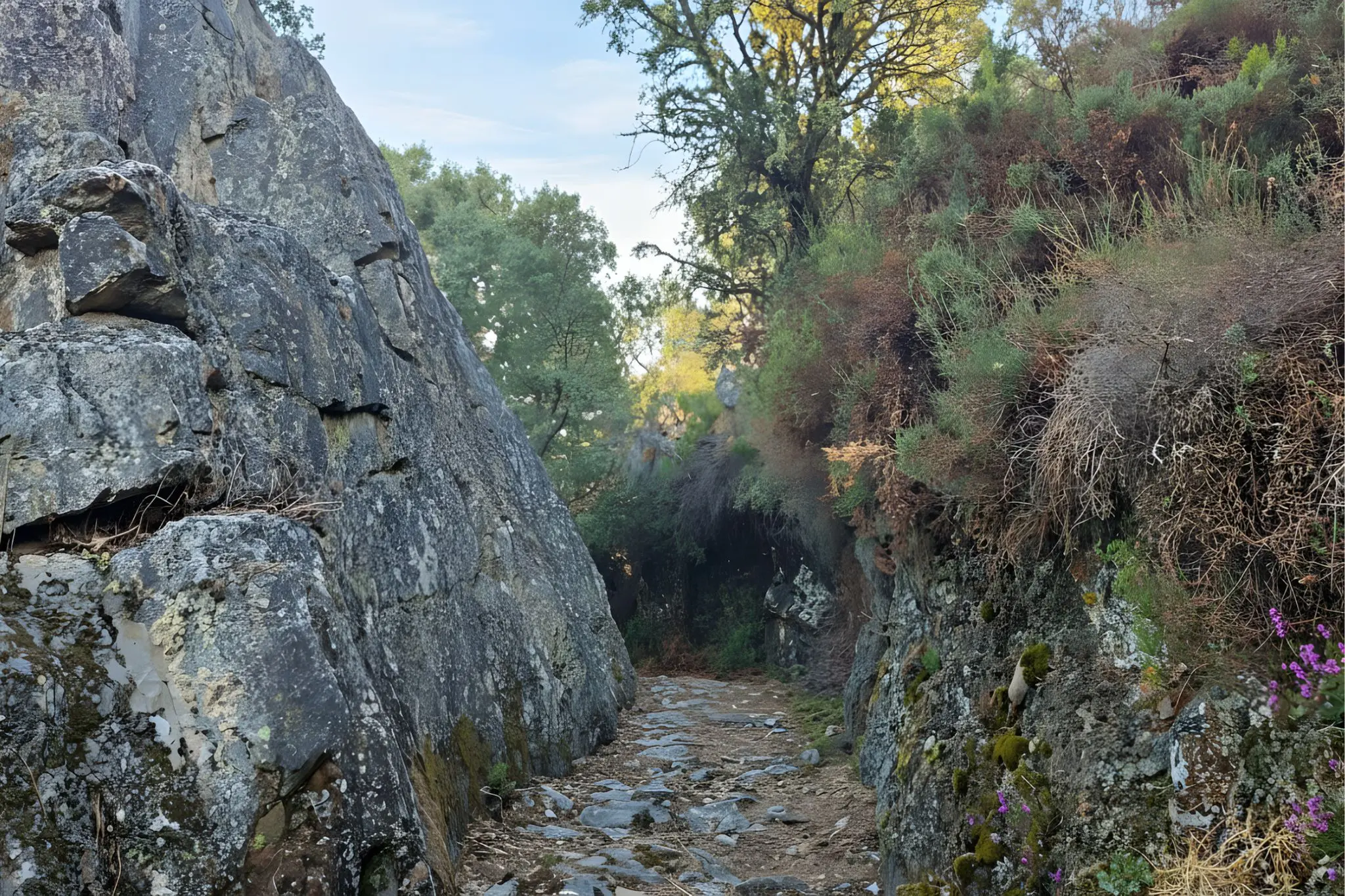
The Sweet Route: Chestnuts, Honey and Bear Walls
A 10 km loop near A Pobra do Brollón through chestnut groves, stone bee-walls and an Iron Age hillfort on the Ribeira Sacra’s eastern rim.
-
4 MIN
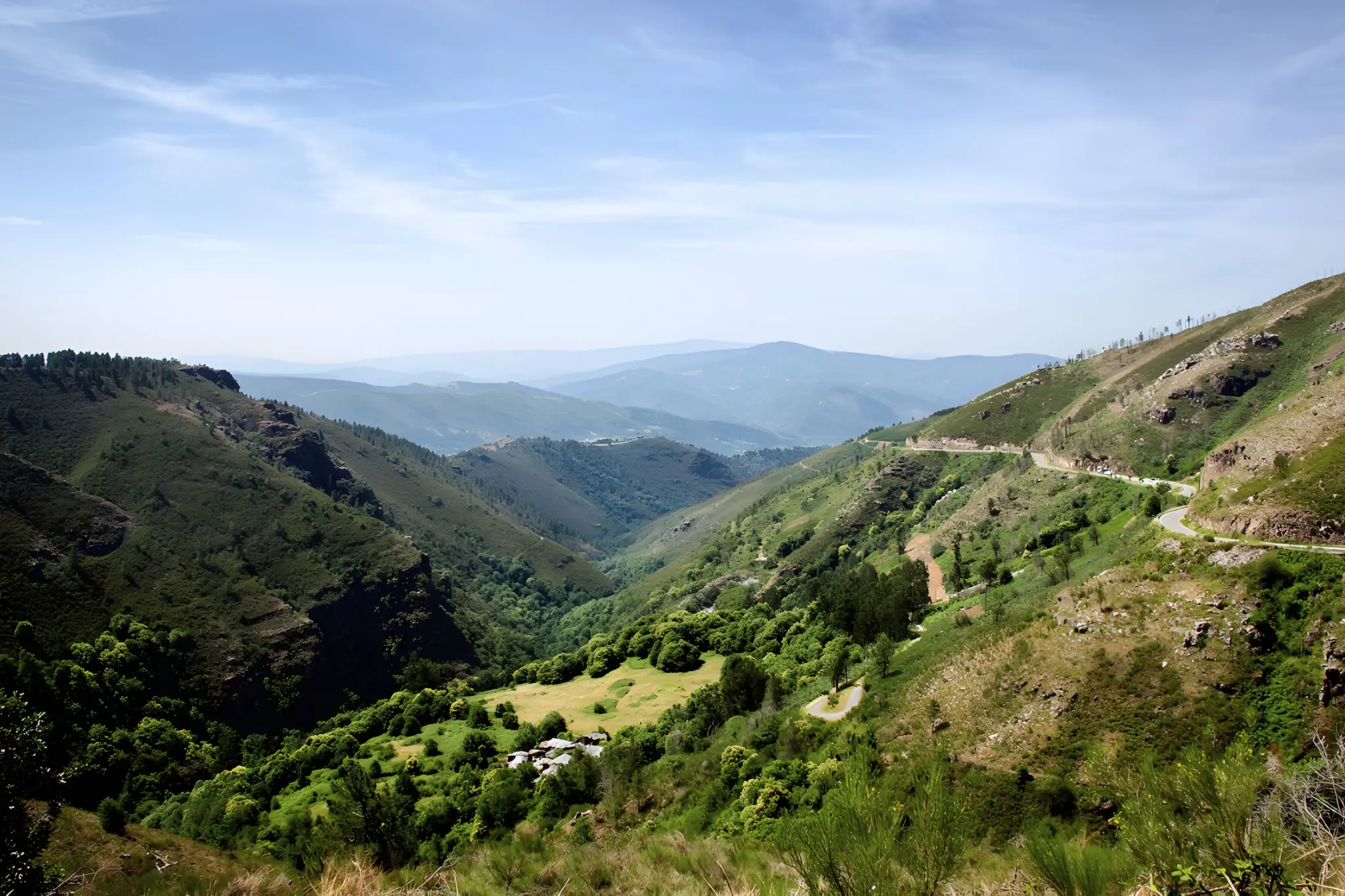
The Cubela Loop: A Gold Road That Became a Walk
The PR-G 180 around the Sil’s Cubela meander: a Roman gold road through soutos, carved stone and Mediterranean riverbank.
-
4 MIN
Campodola & the Roman Gold
A two-day geological drive in Quiroga and Ribas de Sil: the Roman gold tunnel of Montefurado and the Campodola-Leixazós fold.
-
4 MIN
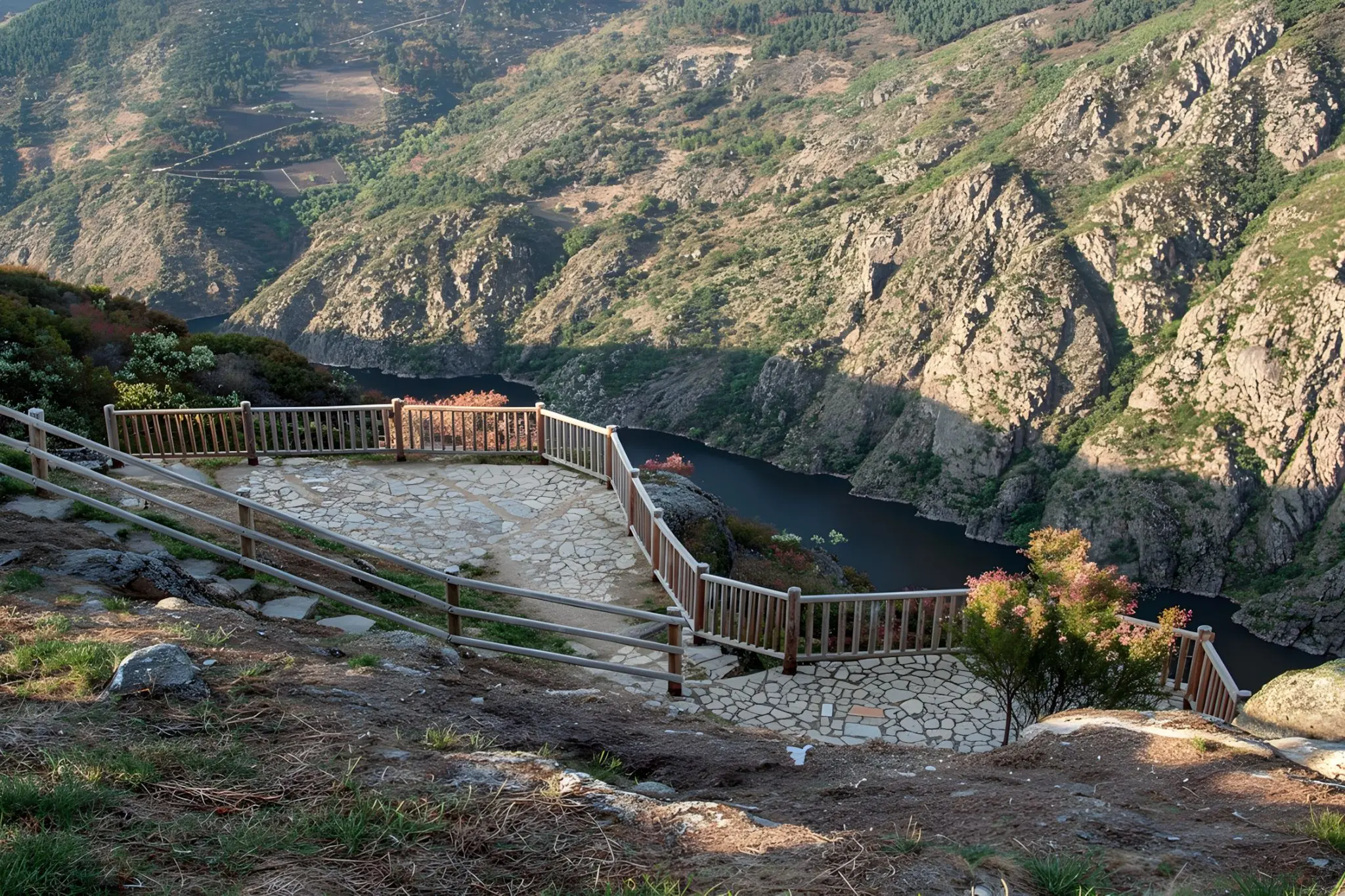
Sil Canyon: Birding the Most Photographed Drop
The Sil canyon everyone shoots looking down, driven slowly and read upward — forest birds, cliff raptors, four rim viewpoints at the edge.
-
4 MIN
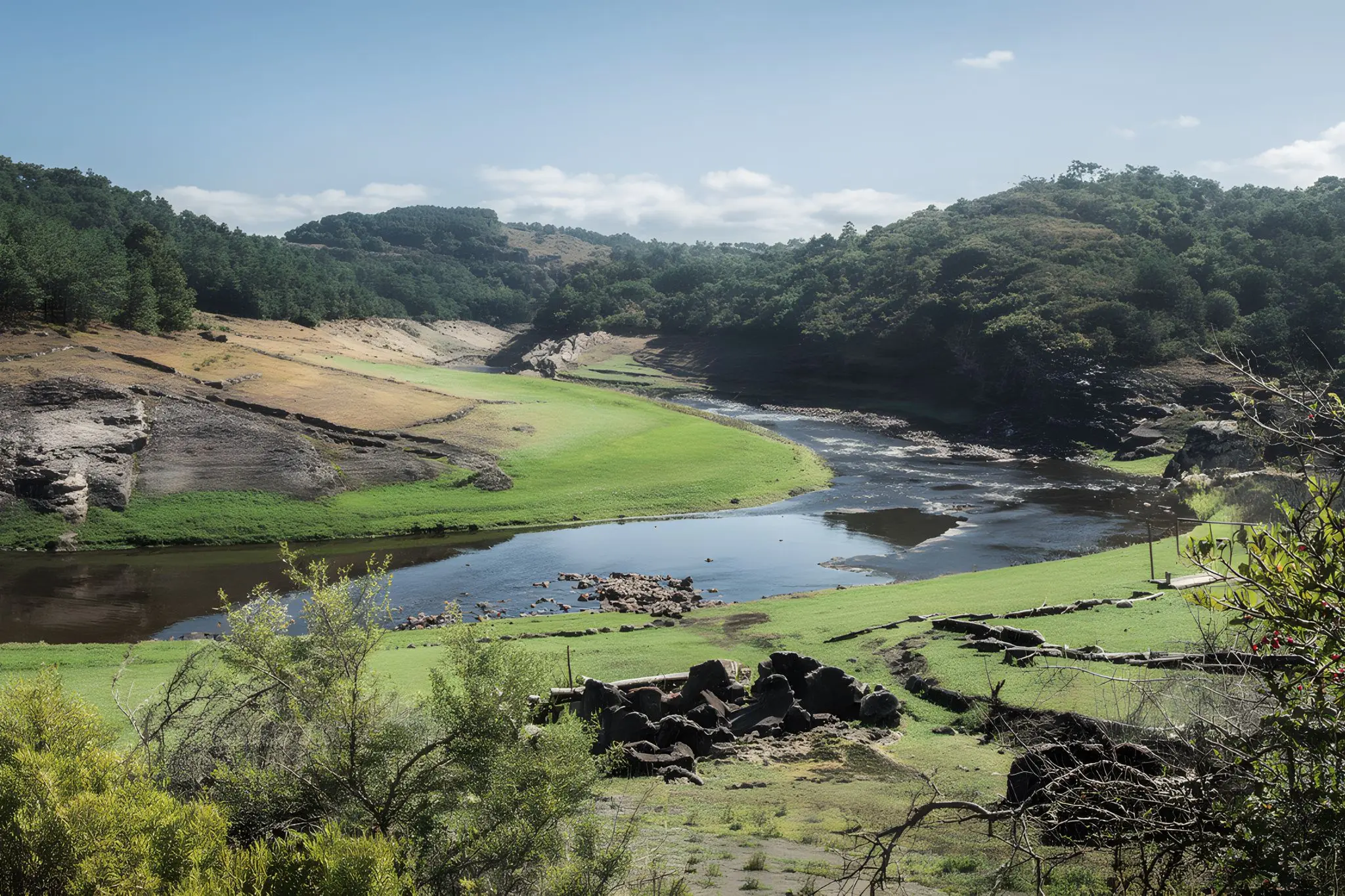
The North Bank: Birding the Quiet Side of the Miño
A quiet birding drive down the Miño’s north bank: black kites, harriers, and a hidden canyon meander, none of the Sil-gorge crowds.
-
4 MIN
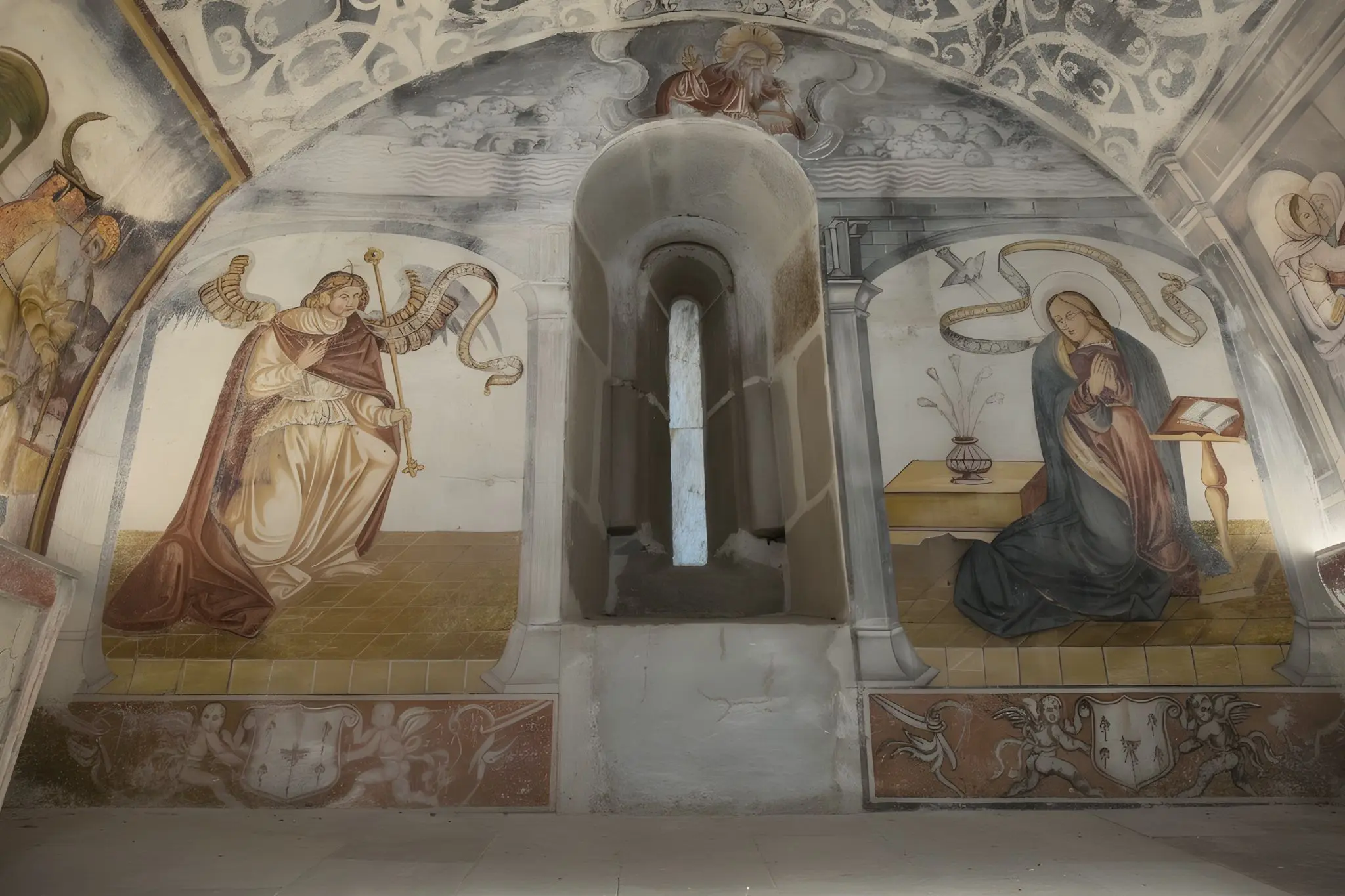
Sober–Amandi: The Murals Behind the Wine
Five Romanesque parishes on Sober’s inland plateau — 16th-century murals, a Templar trace, and the canyon view behind Amandi’s wine reputation.
-
4 MIN
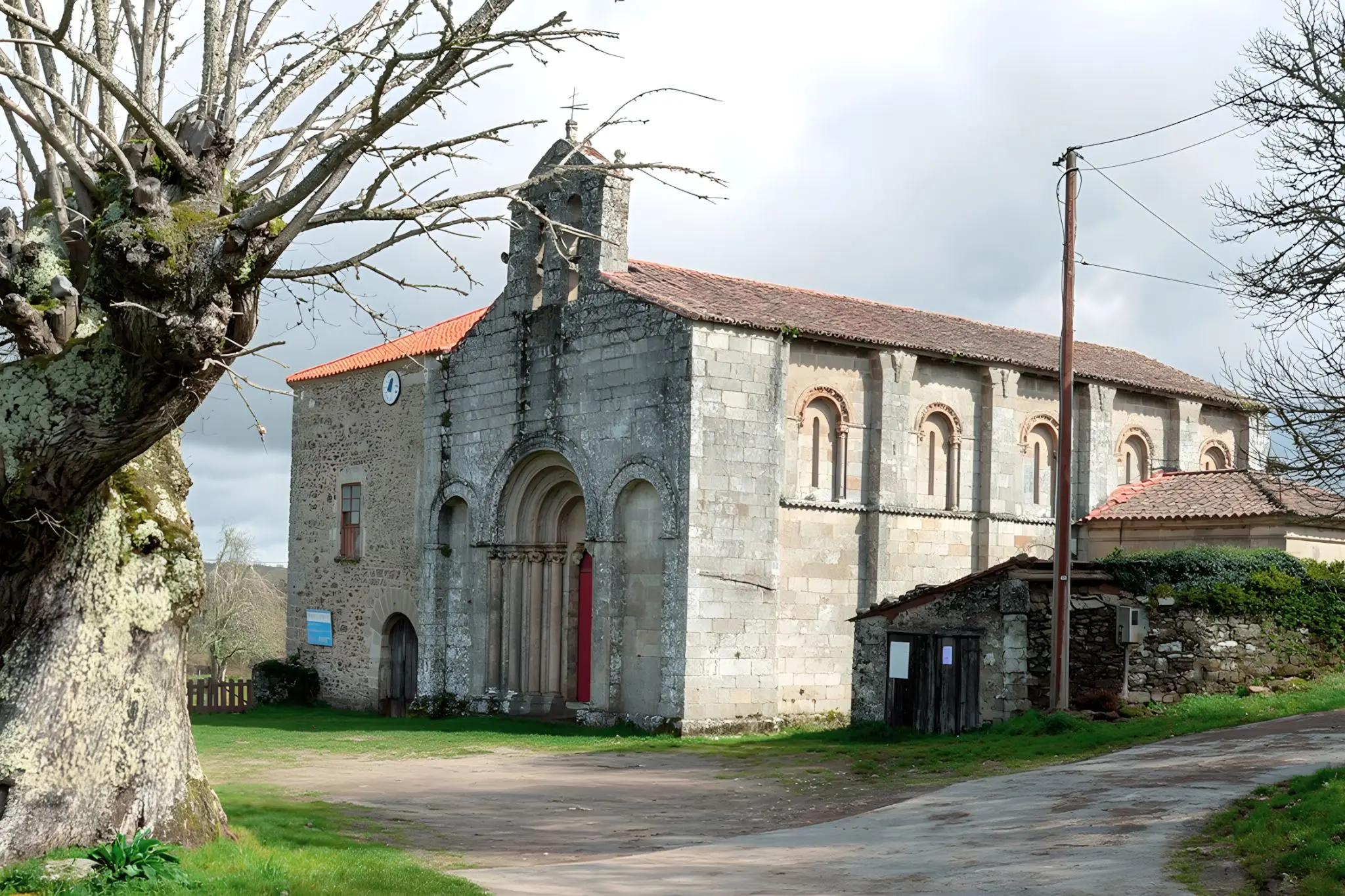
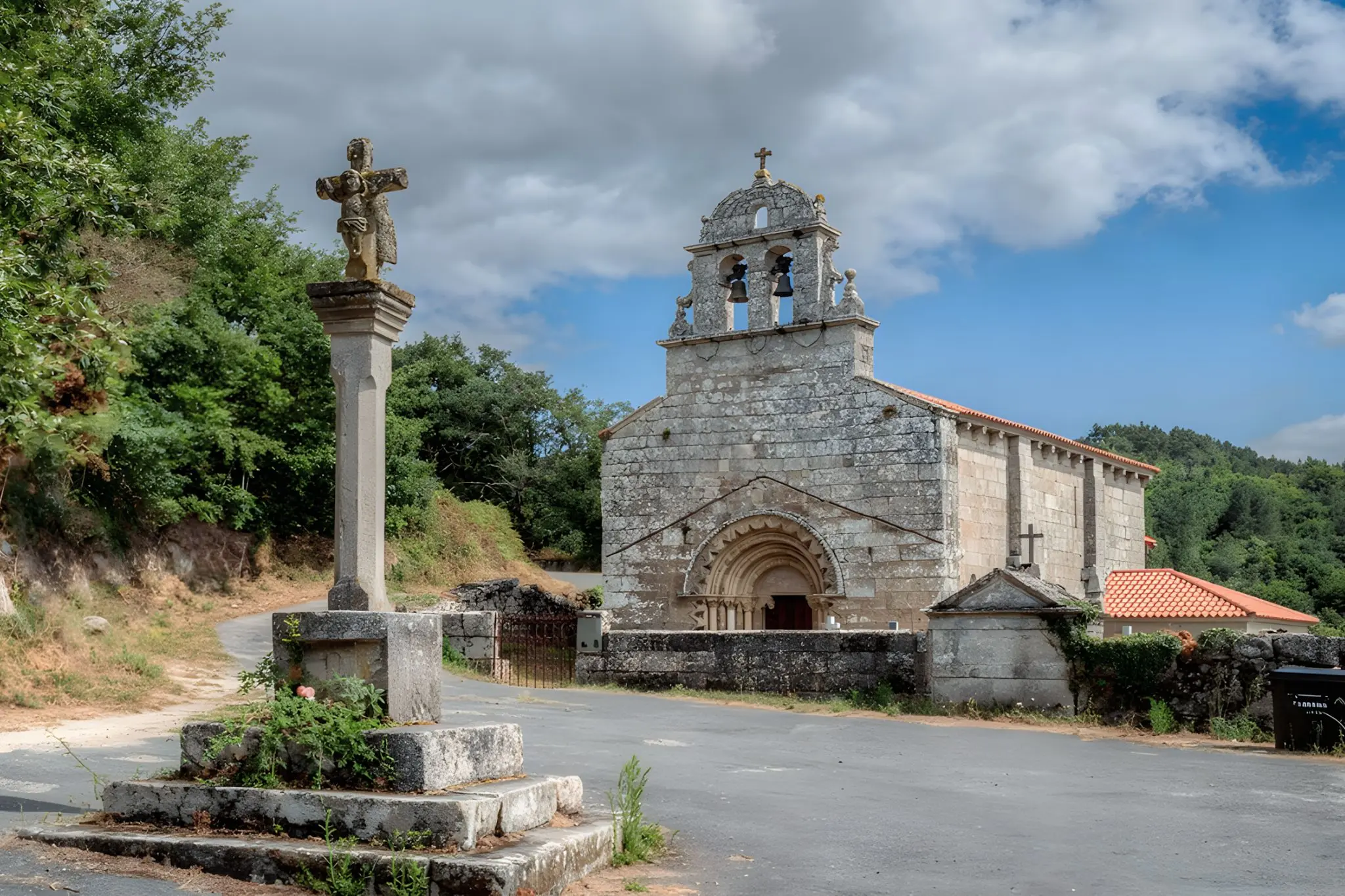
Belesar Crossing: Compostela on a Country Road
Four Romanesque churches between Chantada and Cabo do Mundo: a country road shaped by the Pórtico da Gloria workshop of Maestro Mateo.
-
4 MIN
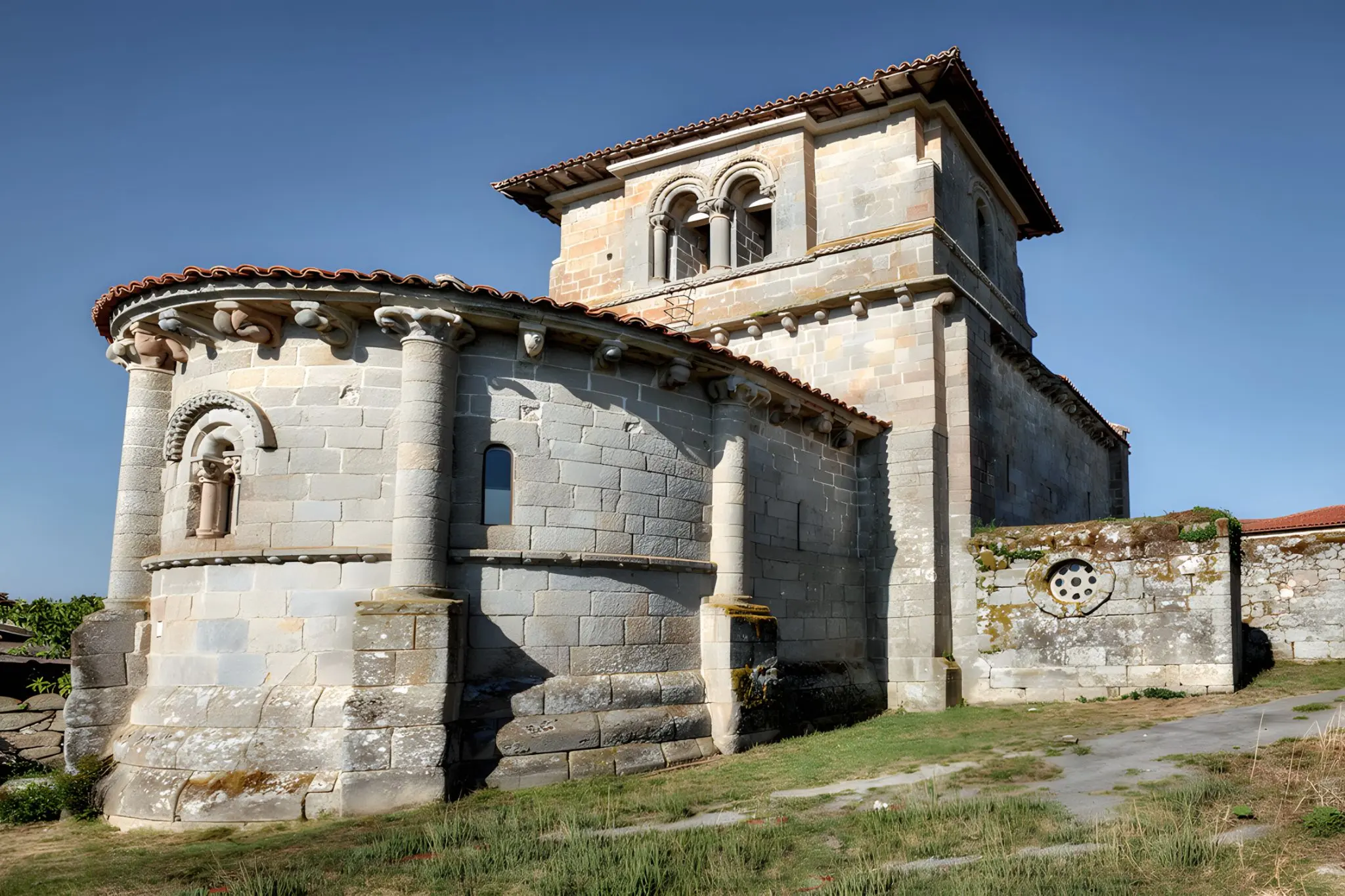
Taboada Inland: Five Churches on the Plateau
A plateau loop through five Romanesque parish churches in Taboada — Templar trace, seigneurial murals, the largest church in the concello.
-
4 MIN
Pantón Cluster: The Densest Romanesque Ground in Galicia
Five Romanesque stops in Pantón: Pombeiro’s Cluniac priory, Atán’s murals, singular Eiré, San Fiz, and the living monastery of Ferreira.