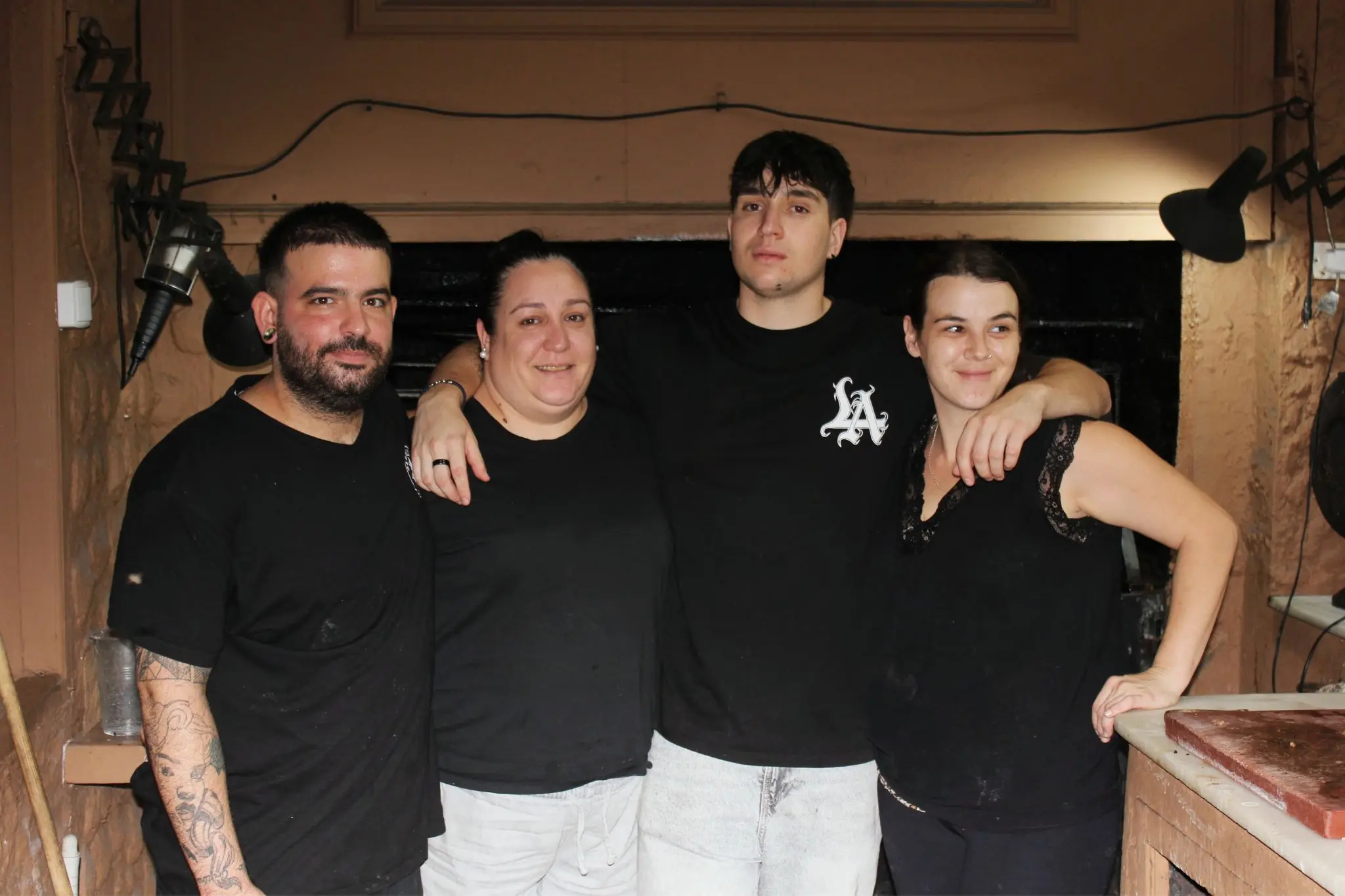
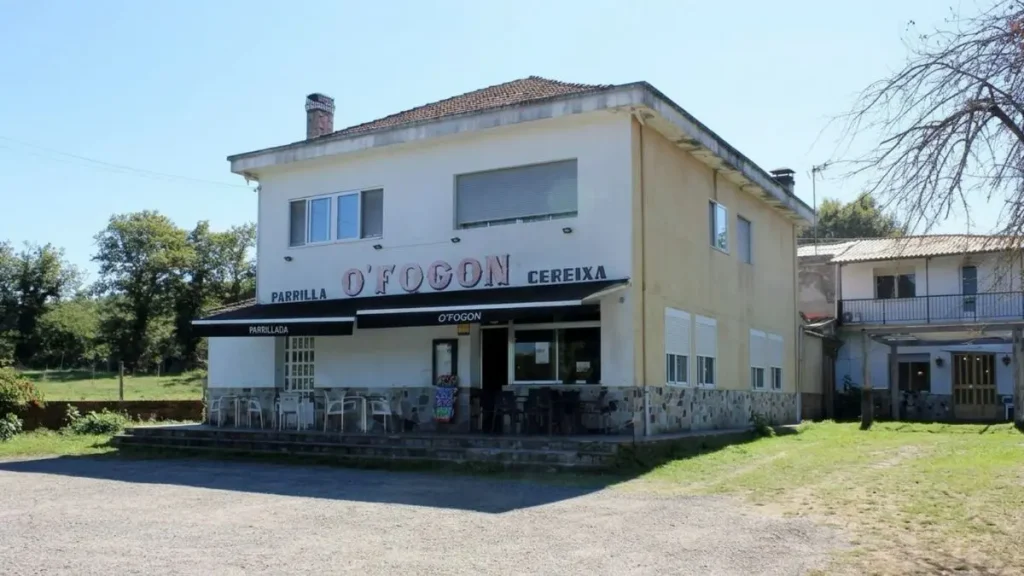
Cereixa is a parish of a hundred people in A Pobra do Brollón, at the eastern edge of the Ribeira Sacra, and it has two roofs under which people gather. One is a concrete pavilion with a permanent stage, fixed tables and benches. The other is the dining room of O Fogón, which stands directly in front of it. The restaurant opened on 6 January 1973, built with money Antonio Méndez had saved working in a bank in Caracas. According to Xornal de Lemos, he and his wife Isaura returned in the early seventies to put their savings into a business and spent a while undecided between a grocer’s shop and a grill; their son Marcos puts the choice down to the rodizios and grill houses of Caracas set against the fact that meat is the star dish in Galicia. Marcos took over in 1995. From 2008 the family rented it out. Víctor, from Cereixa, took it on in July 2018, and in June this year it passed to Vanesa Rodríguez de la Fuente, who had been waiting tables in it for years.
Q. You didn’t come here looking to take on a restaurant.
I’ve been a waitress since I was eighteen. Nine years in one place in A Pobra, then the Avenida next door when that one closed. The man who had this place asked me to cover a waitress’s holiday. I stayed. Four or five years later he told me he was opening a supermarket in A Pobra and couldn’t do both. Either it closed, or I took it on, or somebody else did. I thought about it for a week or two.
Q. Why not hand it on inside his own family?
His son is three. His wife works in a pharmacy. It was all discussed openly — there wasn’t anyone else.
Q. He closed on the last day of May. You opened on the 12th of June.
Twelve days. A week would have done for the work — it was the papers that stretched it. Inside it was all painted red, so I took the red out because it made the place cold, and put in two browns, a light one and a dark one against each other. And I put in the outside terrace.
Q. Did the regulars notice?
He was already at the supermarket and I was already here, and I was more or less running everything. People were used to me. August was spectacular. Very hard work — there were days I came in at nine in the morning and was still here at three the next morning — but spectacular. I was delighted.
Q. The first thing you added was the midweek opening.
Víctor had the supermarket, so he could only open Friday, Saturday and Sunday. Around here there aren’t many places. I watched one close, then another, and I could see the workers with nowhere to go during the week. I put a menú del día on one day to see what happened. It worked. Now it runs Tuesday to Friday.
I could see the workers. I’m one too — we all are.
Q. Friday and Saturday the terrace looks like it belongs to the village.
They’re all from here. Very family, very close-knit. Up the street is the campo da festa and they hold three or four fiestas a year up there. The women of the village have their meal here, the men of the village have theirs. At Carnival they build the carrozas and they all come here to eat.
Q. And if this closes?
There’d be nothing around here. Nothing.
Q. The Camiño de Inverno comes through Cereixa, and there’s a pilgrims’ bench up by the church.
A lot of them come in. I stamp the credenciales. There are plenty I can’t understand a word of, so I go off to Google and then we manage fine.
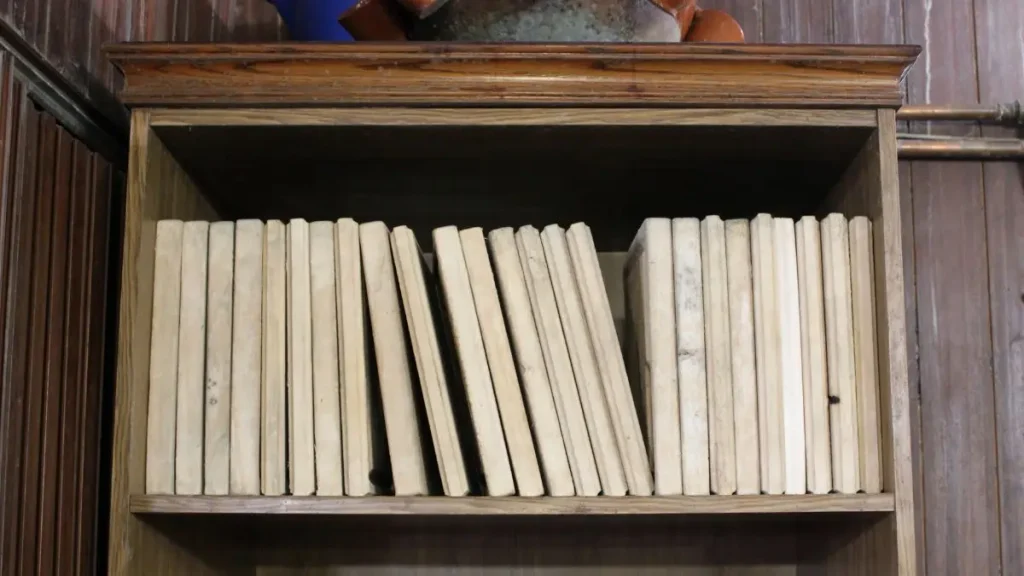
Q. There are wooden boards stacked on a shelf in the dining room.
The meat was served on those from the beginning. COVID took them off the tables, and afterwards Sanidade came and we asked whether we could put them back, and they said no — the knife cuts into the wood, cross-contamination. It’s not like octopus, where you pick it up with a stick. People still ask for them. They’re missed.
Q. What did you keep from before?
Most of the suppliers, because I was already used to dealing with them. I changed a few. The meat is from here, from the zone. The eel comes in wild and it arrives when it arrives — they’ll phone and say nothing came up until Thursday. And the sauce is still the same recipe as when they opened. People ask what’s in it all the time. I tell them I’d have to kill them.
Q. You’ve started putting things on.
In July, when I opened, I ran a table-football tournament — twenty-five pairs, a total success. For September or October I want two more: a chuletón night on a Friday and a tute tournament, because they ask me for the tute constantly. Winter keeps going here, but it’s much quieter, and this gives people something they actually like.
Q. You turned forty this month. Where do you see this in five years?
I don’t know. What I do know is that I want to last.
Fire Round
A place
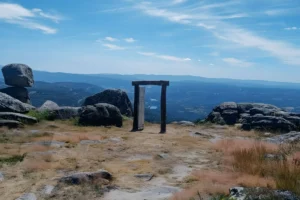
The Mirador da Capela at Vilachá de Salvadur. It isn’t well known and it’s spectacular — the vineyard directly below it is my father’s.
A dish
Churrasco — that’s what this place is known for. Then the eel and the trout.
A route
The Camiño de Inverno, from here over the hill towards Monforte.
A word
Indescribable.
Photographs: P. Vanossi for feelSacra. Not for reproduction without written permission.